

Is Australia Setting New Standards for Sustainable Skincare?
Sustainable Skincare Basics
When exploring sustainable skincare, the emphasis is on ingredients that support environmental health and personal wellness. One vital component in any skincare enthusiast's regimen is zinc sunscreen. This mineral-based sunscreen has gained attention for its broad-spectrum protection against harmful UV rays while being gentle on the skin. Unlike some chemical sunscreens, it doesn't harm coral reefs, making it a smart choice for eco-conscious individuals.
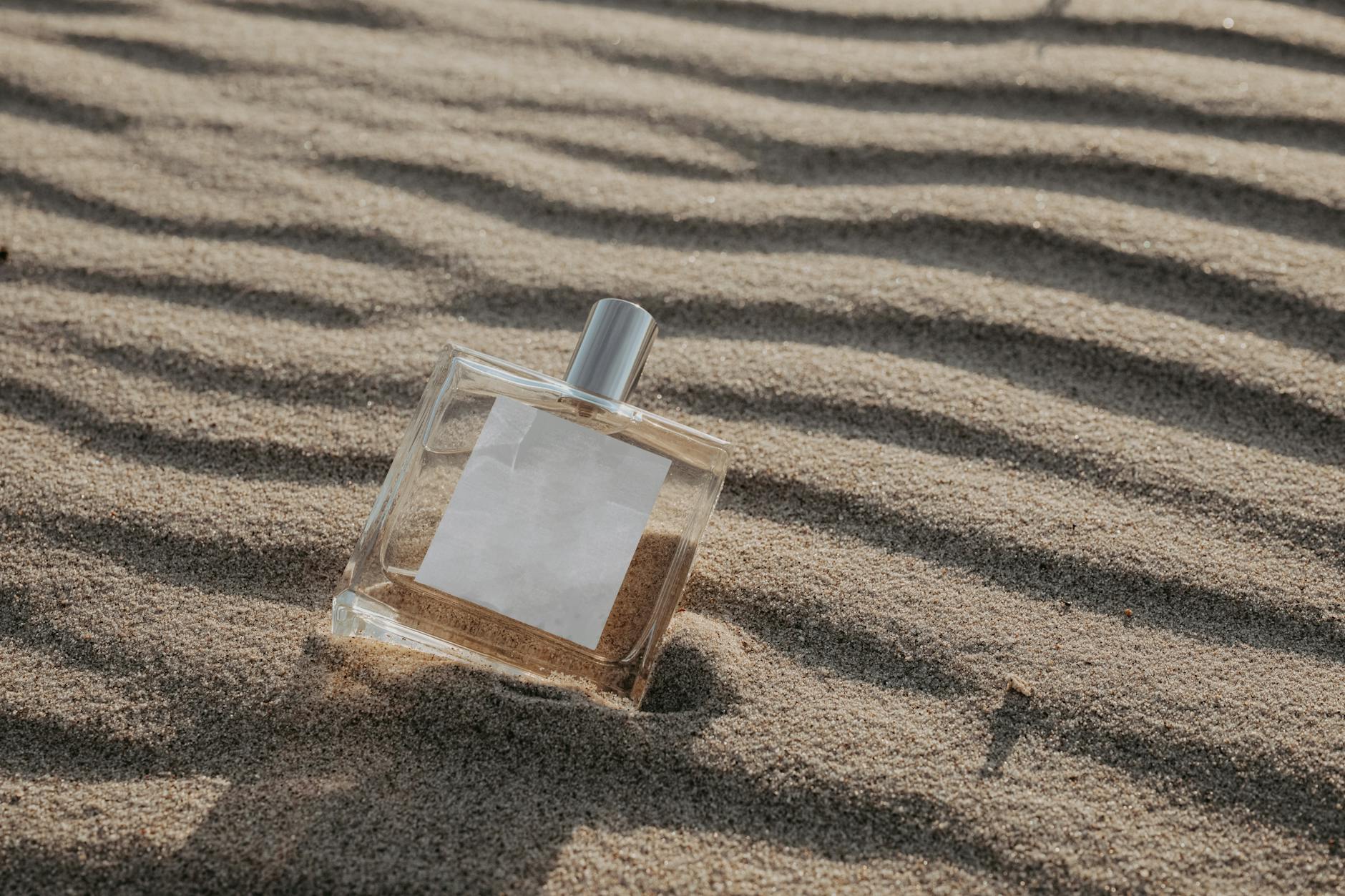
Incorporating eco-friendly practices into your skincare routine can start with the choice of packaging. Choose brands offering recyclable or biodegradable options to reduce waste. Packaging is as crucial as the product itself and opting for glass jars or compostable materials helps lower your environmental impact.
Natural compounds in skincare products are often preferred for their purity and minimal processing. However, some synthetic ingredients designed sustainably can offer benefits without the environmental footprint. For instance, lab-created peptides can effectively enhance skincare efficacy without depleting natural resources.
Living in vibrant Brisbane, surrounded by iconic places like the Brisbane Botanic Gardens, provides a constant reminder of the beauty and diversity of nature. These environments inspire a shift towards products that respect and protect the earth. By opting for sustainable skincare, you're not only caring for your skin but supporting broader ecological health.
Australian Innovations
Indigenous Ingredients in Skincare
In my journey as an eco-conscious skincare enthusiast, I've discovered that Australia is making noteworthy strides in the realm of sustainable skincare by incorporating indigenous ingredients into products. Not only do these ingredients bring unique benefits to our skin, but they also play a crucial role in preserving traditional knowledge. Ingredients such as Kakadu plum and tea tree oil are renowned for their antioxidant properties and are becoming staples in eco-friendly skincare lines.
Cutting-Edge Research Initiatives
Walking through the Brisbane Botanic Gardens often inspires me to explore the latest advancements in ecological sustainability within the skincare industry. Australian research institutions are at the forefront of developing green technologies that enhance product efficacy while minimizing environmental impact. These initiatives include biodegradable packaging and water-saving formulation techniques that aim to balance performance with ecosystem preservation.
Regulatory Guidelines on Clean Beauty
While reflecting on the wealth of scientific exhibits at the Queensland Museum, it becomes clear that Australia's regulatory landscape is committed to promoting clean beauty. Stricter guidelines ensure that products labeled as sustainable meet high safety and environmental standards. This regulatory framework inspires confidence that the products available, like baby sunscreen, are both safe for our families and kind to the earth.
Overall, embracing these Australian innovations is empowering. It allows us to make informed choices that elevate our skincare routines whilst being gentle on our planet.
Impact on the Environment
Reducing Carbon Footprints
As a skincare enthusiast, one of my goals is to make choices that have a minimal carbon footprint. Opting for products with efficient production and distribution processes is crucial. Brands that prioritize local production reduce transportation emissions, significantly lowering their environmental impact. Sustainable skincare brands are making strides by using renewable energy sources in their manufacturing processes and prioritizing carbon-neutral shipping methods, reminding me of the innovative spirit found at eco-friendly stores in West End.
Marine-Friendly Formulations
Living near the vibrant marine life of Australia's coastlines, I've become aware of how skincare ingredients can impact ocean ecosystems. It's heartening to see many brands now offering marine-friendly formulations that avoid harmful chemicals like oxybenzone and octinoxate. These chemicals can contribute to coral bleaching, so choosing a kids sunscreen free from these ingredients assures me that I'm protecting sensitive marine life while keeping my skin safe under the Queensland sun.
Biodegradable Product Lines
For those who are eco-conscious, using biodegradable products is a game-changer. These formulations break down naturally, leaving minimal residues in the environment. Many cutting-edge brands are now offering biodegradable packaging, such as using materials that decompose without leaving harmful traces. This initiative aligns with my commitment to sustainable living while reflecting the ongoing dedication to environmental stewardship, much like the scientific exhibits at the Queensland Museum that showcase our natural world's wonders and vulnerabilities.
Best Practices
Incorporating Eco-Conscious Products
When I stroll through the vibrant eco-friendly stores in West End, I’m always on the lookout for skincare products that echo the ethos of sustainable living. Incorporating eco-conscious items into your daily routine doesn't just benefit your skin; it also makes a positive impact on the environment. Prioritise products with locally sourced and natural skincare Australia ingredients, which often means fewer carbon miles and more respect for Australia's rich biodiversity. It’s like bringing a piece of the Brisbane Botanic Gardens into your daily ritual.
Selecting Sunscreen with Care
Living under Brisbane's sunny skies, selecting the right sunscreen is vital. Opt for sunscreens free from harmful chemicals like oxybenzone, which can do more harm than good when washed into the ocean. Instead, choose mineral-based products that offer protection without damaging our delicate marine ecosystems. These thoughtful choices might echo the environmental wisdom found in the scientific exhibits at the Queensland Museum, showing how every choice contributes to something larger.
Guiding Others in Skin Wellness
Empowering others with knowledge about sustainable skin health is rewarding. Whether educating friends or clients, it's critical to share insights about opting for natural face oils and hydrating essentials that nurture both skin and planet. Visiting spots like the Queensland Museum can provide unique perspectives, fuelling conversations about eco-friendly practices. With every discussion, we pave the way for a greener tomorrow, ensuring our skincare routines not only enhance our natural beauty but also respect the world we live in.